Why Regular Furnace Services Help Prevent Costly Breakdowns
A furnace has a funny way of becoming invisible when it works properly. It sits in a basement, closet, attic, crawl space, or utility room, humming along while everyone argues over the thermostat. Then one cold night, usually when the temperature drops hard and every HVAC company in town is slammed, it stops being invisible.
That is when people suddenly notice the air feels cool, the blower is running nonstop, the house has that dusty hot-metal smell, or the furnace keeps trying to start and quitting after a few seconds. By then, the problem is not just mechanical. It is uncomfortable, inconvenient, and often more expensive than it needed to be.
Regular furnace services are not glamorous. Nobody brags about a clean flame sensor at a dinner party. But maintenance is one of the simplest ways to avoid the kind of breakdowns that turn a normal winter week into an emergency Furnace Repair call. It keeps small issues small, helps the system run safely, and gives you a better shot at getting the full life out of the equipment you already paid for.
I have seen plenty of furnaces fail for reasons that started out minor. A clogged filter. A dirty burner. A cracked igniter that had been struggling for weeks. A drain line with just enough buildup to trip a safety switch during the first cold snap. None of these problems feel urgent when the furnace still technically runs. That is exactly why regular service matters.
The expensive breakdown usually starts as a cheap problem
Most furnace failures do not begin as dramatic, one-time events. They build quietly.
A blower motor works harder because the filter is packed with dust. The heat exchanger gets hotter than it should because airflow is weak. The limit switch starts opening more often. The furnace short cycles. The homeowner notices the house feels unevenly heated, but the system still comes on, so it gets ignored. A few months later, the blower motor fails or the control board gets stressed from repeated cycling.
That chain of events is common. Not guaranteed, but common enough that any technician who has worked through a few heating seasons has seen it over and over.
The frustrating part is that the first fix might have been simple. Replace the filter, clean the blower compartment, check static pressure, verify temperature rise, and make sure the furnace is moving enough air. Once the system has been overheating for a while, the repair can become a lot more involved.
The same thing happens with ignition parts. A flame sensor can get coated with residue. At first, the furnace lights and then shuts off once in a while. People reset it. They flip the switch off and back on. They think it was a fluke. Eventually, the system locks out and stops heating. Cleaning or replacing a flame sensor is usually straightforward, but waiting until the furnace is unreliable means you are scheduling service under pressure.
That pressure costs money. Emergency appointments, after-hours rates, temporary heaters, hotel stays, frozen pipe risk, missed work, and the stress of not knowing whether the heat will come back tonight all add up. Regular Furnace Services do not eliminate every surprise, but they reduce the odds of being caught off guard by preventable ones.
What a good furnace service actually includes
A proper maintenance visit is more than a quick filter swap and a flashlight glance. The exact process depends on the furnace type, age, fuel source, installation setup, and local codes, but a good technician is looking at the system as a whole.
They are checking whether the furnace starts correctly, burns correctly, moves air correctly, drains correctly if it is a condensing furnace, and shuts down safely. They are also paying attention to signs of wear that a homeowner would not usually notice.
On a gas furnace, combustion matters. Burners should light smoothly. Flames should look stable. The ignition sequence should happen in the right order. A technician may check gas pressure, inspect burners, clean the flame sensor, examine wiring, test safety controls, look for rust or water marks, and measure temperature rise through the furnace. On high-efficiency units, condensate drainage is a big deal. A blocked trap or line can shut the system down, and in some setups it can cause water damage around the furnace.
Airflow matters just as much. A furnace is not only a heat-making appliance. It is also part of an air delivery system. If the blower wheel is caked with dust, ducts are restricted, vents are closed, or the filter is too restrictive, the furnace may overheat even though all the fuel and ignition components are fine. That is why maintenance should include attention to the blower, filter, return air, supply air, and overall system performance.
Electrical checks matter too. Loose connections, weak capacitors on certain blower motors, failing relays, and worn contact points can create intermittent problems. Intermittent problems are the ones that drive homeowners crazy because the furnace behaves perfectly when someone is standing there, then quits again at 2 a.m.
A decent maintenance visit also gives you context. You should come away knowing if the furnace is in good shape, if there are repairs to consider, if there are safety concerns, or if the equipment is nearing the point where Furnace Replacement deserves a serious conversation.
The filter is small, but it causes big trouble
If there is one maintenance item people underestimate, it is the air filter. A dirty or overly restrictive filter can make a furnace work like it is breathing through a towel.
The filter’s job is to protect the equipment and improve air cleanliness to a degree, depending on the filter type and system design. But when it loads up with dust, pet hair, drywall debris, or general household grime, airflow drops. The furnace still creates heat, but less air passes over the heat exchanger. That heat has to go somewhere, so internal temperatures rise.
Modern furnaces have safety switches to prevent dangerous overheating. That is good. But tripping a safety repeatedly is not normal operation. It can shorten component life and lead to nuisance shutdowns. In some cases, a homeowner thinks the thermostat is bad or the furnace is undersized, when the real issue is that the system cannot move air.
Filter timing varies a lot. The old “change it every three months” advice is a rough starting point, not a law. A one-inch filter in a home with pets, kids, carpeting, and constant fan use may need attention monthly during peak heating season. A larger media filter in a clean home may last longer. Renovation dust can ruin a filter fast. So can running the blower during sanding, cutting, or heavy cleaning.
One thing I always tell people: do not choose the thickest-looking, highest-rated filter without checking whether your system can handle it. Some high-efficiency filters are excellent when the ductwork and filter cabinet are designed for them. Put the wrong restrictive filter in a marginal system, though, and you may create the same airflow problem you were trying to avoid.
Regular Heating Services help catch that. A technician can look at filter fit, filter type, blower performance, and temperature rise, then tell you whether your setup is happy or struggling.
Safety is a real reason, not a scare tactic
Most homeowners think about maintenance in terms of saving money. That is fair. But furnace safety deserves just as much attention, especially with gas or oil-fired systems.
A furnace burns fuel inside your home. It should do that in a controlled way, with combustion gases vented outdoors. When everything is clean, adjusted, and properly vented, the system does its job quietly. When something is wrong, the risks can include carbon monoxide, flame rollout, blocked venting, gas leaks, electrical overheating, or water damage on high-efficiency equipment.
Not every service visit uncovers a safety issue. Most do not. But the ones that do are the reason inspections matter.
A cracked heat exchanger is one of the more serious findings. It is also one of the most misunderstood. Not every rust mark means a crack, and not every old furnace has a failed heat exchanger. Still, heat exchangers endure repeated expansion and contraction for years. Poor airflow, overheating, age, and corrosion can all contribute to failure. If there is a legitimate crack or breach, that is not a “watch it for a while” situation. It requires professional judgment, documentation, and usually a decision between major repair and Furnace Replacement.
Venting problems are another concern. I have seen furnaces connected to deteriorated metal vents, chimneys with draft issues, intake or exhaust pipes blocked by snow, and high-efficiency furnace drains that backed up because no one had cleaned the trap in years. These problems can be quiet until they are not.
Carbon monoxide detectors are essential, but they are not a substitute for maintenance. Think of them like smoke alarms. You still do not want faulty wiring just because you own smoke alarms.
Maintenance helps your furnace age more gracefully
Every furnace ages. Maintenance will not make a 22-year-old system brand new, and any company promising that is overselling it. What regular service can do is help the equipment age with fewer surprises and better performance.
A furnace that runs clean, has proper airflow, drains correctly, and is not constantly short cycling usually has an easier life. Motors last longer when they are not fighting restriction. Ignition systems perform better when burners and sensors are clean. Safety controls last longer when they are not being triggered repeatedly. Heat exchangers fare better when temperature rise stays within the manufacturer’s intended range.
There is also a planning benefit. When a technician sees your furnace every year, patterns become clearer. A single noisy inducer motor might not mean much if it just started. If it has grown louder over three visits, that is useful information. A little rust near a condensate line tells a story if it is getting worse. Rising temperature readings can point toward developing airflow problems. Small changes help predict bigger ones.
That matters because the worst time to make a Furnace Installation or replacement decision is during a no-heat emergency in January. You have fewer options, less time to compare equipment, and more pressure to say yes to whatever is available fastest. Regular service gives you a longer runway. If your furnace is nearing the end of its practical life, you can plan the budget, compare efficiency levels, look at rebates if available, and schedule the work at a sane time.
A planned Furnace Replacement is usually less stressful than an emergency one. It can also lead to a better installation, because good Heating Installation takes time. Proper sizing, duct evaluation, venting, gas piping, electrical work, drainage, thermostat compatibility, and commissioning all matter. Rushing that process because the house is 48 degrees is not ideal.
The hidden cost of skipping service: efficiency loss
People often ask whether maintenance really saves on energy bills. The honest answer is: sometimes noticeably, sometimes modestly, depending on the condition of the furnace and the home.
If a furnace is already clean, adjusted, and paired with good airflow, a tune-up may not cut the gas bill dramatically. It may still be valuable for safety and reliability. If the system is dirty, overheating, cycling poorly, or running with a clogged filter, maintenance can make a real difference.
Efficiency loss is not always obvious. The furnace may still heat the home, but it takes longer. The blower may run more. The thermostat may be satisfied eventually, but the system uses more energy to get there. Rooms may feel uneven, so someone raises the thermostat a few degrees. Those extra degrees matter. Depending on climate and house construction, even small thermostat changes can affect fuel use.
A dirty blower wheel is a good example. Dust Furnace Replacement buildup on the blades changes how the wheel moves air. It may still spin, but it does not perform the way it should. The furnace can run hotter, deliver less air, and use more electricity, especially with older blower designs. Cleaning a badly dirty blower is not always included in a basic tune-up, and it can be more labor-intensive, but identifying the problem early helps.
Duct leakage and poor duct design can also masquerade as furnace trouble. Regular service will not magically fix bad ducts, but a sharp technician may notice high static pressure, weak return air, or temperature differences that suggest the furnace is not the only issue. That is where broader Heating Services can be useful. Sometimes the best money is not spent on the furnace itself, but on airflow improvements that help the whole system.
A furnace tune-up is not a guarantee, and that is okay
It is worth being clear about expectations. Regular furnace maintenance reduces risk. It does not create a force field around every part.
A control board can fail without giving much warning. A pressure switch can act up intermittently. An inducer motor can run fine during service and fail a month later. Electrical parts sometimes quit suddenly. Even well-maintained equipment can break.
That does not mean service was pointless. Dental cleanings do not guarantee you will never crack a tooth. Oil changes do not guarantee your car will never need a starter. Maintenance works by reducing avoidable stress, catching visible wear, correcting poor operating conditions, and keeping the system within normal ranges as much as possible.
The best HVAC companies are honest about this. Be wary of anyone who treats maintenance like magic. Also be wary of the opposite claim, that if the furnace runs, there is no reason to touch it. Both extremes miss the point.
The practical middle ground is simple: maintain the system, listen to what it is telling you, repair what makes sense, and plan ahead when replacement is clearly approaching.
When a repair makes sense and when replacement deserves a look
Homeowners often ask whether they should keep repairing an older furnace or replace it. There is no single answer, because the right call depends on age, condition, repair cost, safety, efficiency, comfort, and how long you plan to stay in the home.
A 7-year-old furnace with a bad igniter is usually a repair. A 19-year-old furnace with a failed heat exchanger, noisy inducer, rust issues, and poor installation history is a different conversation. Between those examples is a gray area where judgment matters.
Repair cost compared with replacement cost is part of it, but not the whole thing. If a repair costs a few hundred dollars and the furnace is otherwise solid, Furnace Repair is often the reasonable move. If repairs are stacking up every season, the math changes. Comfort matters too. If the furnace is oversized, loud, short cycling, and leaving rooms uneven, replacing it with correctly sized equipment may solve problems repairs never will.
Efficiency can matter, but it should be viewed honestly. A new high-efficiency furnace can reduce fuel use compared with an old, lower-efficiency unit, especially in colder climates with long heating seasons. But savings depend on utility rates, house insulation, ductwork, thermostat habits, and installation quality. A poorly installed high-efficiency furnace can disappoint. A well-installed mid-efficiency system, where allowed and appropriate, may outperform expectations in the right setting. Local codes and available equipment options also affect the choice.
If you are considering Furnace Installation, ask about sizing. Not guessing based only on the old furnace. Not “bigger is better.” Actual load considerations matter. Oversized furnaces tend to short cycle, run louder, create temperature swings, and wear parts faster. Undersized furnaces may struggle during extreme cold. The sweet spot depends on the home, not just square footage.
What homeowners can do between professional visits
You do not need to be a technician to help your furnace stay healthy. You just need to pay attention to a few simple things and avoid turning minor neglect into a service call.
Here is the short version worth keeping in mind:
- Check the filter regularly during heating season, especially if you have pets, renovations, or constant fan operation.
- Keep supply and return vents open and unblocked by furniture, rugs, storage boxes, or curtains.
- Listen for new noises like scraping, rattling, booming ignition, high-pitched whining, or repeated clicking.
- Keep the area around the furnace clear so it has proper access and, depending on the system, adequate combustion air.
- Call for service when the furnace starts acting differently, not only after it completely quits.
That last point saves people money. A furnace that behaves differently is usually giving you a clue. Maybe the blower runs longer than it used to. Maybe the burners light roughly. Maybe the thermostat reaches the set temperature slower. Maybe the unit shuts off and restarts more often. These changes do not always mean something terrible, but they are worth noticing.
One caution: do not remove panels, bypass safety switches, tape down door switches, or keep resetting a furnace that repeatedly locks out. The furnace is shutting down for a reason. Resetting it over and over can make a dangerous condition worse or damage parts that might have been saved.
The first cold snap exposes weak spots
HVAC companies get buried during the first real cold stretch of the season. Furnaces that sat idle or barely ran in mild weather suddenly work for hours. Dust burns off. Weak igniters fail. Dirty flame sensors act up. Pressure switches reveal venting or drainage issues. Filters that were “fine for now” become a problem once the system runs hard.
That is why fall maintenance is popular. It gives the furnace a shakedown before the weather gets serious. But if fall got away from you, winter service is still better than no service. Even a mid-season check can catch problems before the next cold front.
Timing also affects scheduling. If you wait until every furnace in town is failing, you may wait longer for an appointment. Regular customers with maintenance plans may get priority, depending on the company. That can matter when the house is cold.
Spring can also be a smart time for decisions about replacement. If your technician limped the furnace through winter and warned you it is near the end, do not ignore that advice until the next freeze. Off-season planning gives you more control.
Maintenance plans: useful or just another bill?
Many HVAC companies offer maintenance plans. Some are genuinely useful. Some are mostly marketing. The value depends on what is included, how thorough the visits are, and whether the company uses the appointment to serve you or pressure you.
A good plan usually gives you scheduled maintenance, reminders, some form of priority service, and possibly discounts on repairs. That can be worthwhile if you are busy, forgetful, have an older system, or simply like having records. It also helps establish a relationship with a company before an emergency happens.
The red flag is a “tune-up” priced so low that the technician has no time to do real work. If a visit is designed mainly to get someone into the house to sell upgrades, you will feel it. Every system will magically need a major repair. Every part will be “about to fail.” The conversation will jump from a routine cleaning to a new furnace before anyone has shown you measurements or evidence.
That does not mean recommendations are bad. Good technicians find real problems. The difference is that they can explain them clearly, show you what they found, and separate urgent safety issues from optional improvements.
What a homeowner should expect from a professional visit
A maintenance visit should leave you with more confidence, not more confusion. The technician should be willing to answer normal questions. You should know what was checked, what was cleaned, what readings were taken if applicable, and what concerns exist.
A simple written summary helps. It does not have to be a novel, but it should be more useful than “checked furnace.” If there is a recommended repair, ask why. Ask what happens if you wait. Ask whether the issue affects safety, reliability, efficiency, comfort, or all of the above.
Here are a few fair questions to ask without feeling like a difficult customer:
- Is the furnace operating within the manufacturer’s temperature rise range?
- Does the blower and filter setup look appropriate for this system?
- Are there any signs of venting, drainage, rust, or combustion concerns?
- Which repairs are urgent, and which can be watched?
- Based on condition, how many more seasons would you reasonably expect from this furnace?
No technician can predict the future perfectly, but experienced ones can give useful perspective. They can tell the difference between a furnace that is older but stable and one that is becoming a money pit.
Small symptoms you should not ignore
Furnaces usually communicate before they fail. The trick is knowing which symptoms deserve attention.
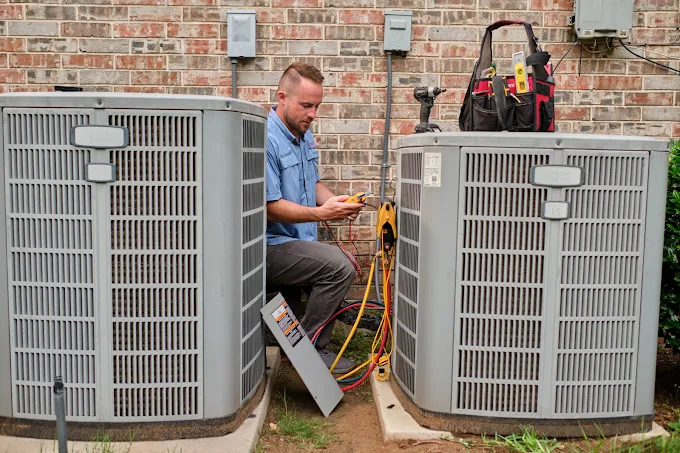
A light dusty smell at the first startup of the season can be normal, especially if the furnace has been off for months. A strong burning smell, electrical odor, gas smell, or persistent smoky odor is not normal. If you smell gas, leave the area and follow the proper emergency steps for your utility and local authorities.
Booming or delayed ignition deserves service. That can happen when gas builds briefly before lighting, often due to dirty burners or ignition issues. It is not something to shrug off.
Short cycling, where the furnace turns on and off frequently without completing normal heating cycles, can come from several causes: overheating, thermostat placement, airflow restriction, oversized equipment, pressure switch issues, or control problems. It wastes energy and stresses parts.
Water around a high-efficiency furnace should be checked. Condensing furnaces produce water as part of normal operation, but that water should drain properly. A puddle may mean a cracked drain tube, clogged trap, bad pump, or venting issue.
A blower that never shuts off may be caused by thermostat settings, fan controls, limit switch problems, or overheating. If it is new behavior, it is worth a call.
Rooms that used to heat evenly but no longer do may point toward airflow changes, duct issues, blower problems, or a furnace that is not reaching normal output. Sometimes the cause is simple, like a blocked return or closed damper. Sometimes it is more involved.
Regular service protects the installation too
People often separate equipment from installation, but they are tied together. A great furnace installed poorly can have a short, annoying life. A basic furnace installed well and maintained properly can be surprisingly dependable.
During maintenance, a technician may notice installation issues that were missed or that developed over time. Maybe the furnace is not pitched correctly for condensate drainage. Maybe the exhaust termination is too close to an intake under certain conditions. Maybe the filter rack has gaps that allow dust to bypass the filter. Maybe the return duct is undersized. Maybe the gas line support is poor or the electrical disconnect is awkwardly placed.
Some of these are minor. Some affect reliability. Some affect safety or code compliance. Regular service puts trained eyes on the whole setup, not just the nameplate on the cabinet.
This is especially important after a recent Heating Installation. New systems should be checked after they have run through real operating conditions. If something is vibrating, draining slowly, or cycling oddly, catching it early can protect your investment and prevent resentment toward equipment that may not be the real problem.
The real payoff is fewer bad surprises
Regular furnace service is not about pampering a machine. It is about reducing the number of expensive, stressful surprises your home throws at you.
A furnace breakdown in mild weather is annoying. A breakdown during a deep freeze can become urgent fast. Pipes can freeze in vulnerable areas. Elderly family members, infants, and anyone with health concerns may not tolerate a cold house well. Space heaters can help, but they bring their own risks if used carelessly. Waiting days for a part during peak season is miserable.
Maintenance shifts the odds in your favor. It gives you cleaner operation, better airflow, safer combustion, earlier warnings, and a clearer plan for repairs or replacement. It helps you spend money on purpose instead of in a panic.
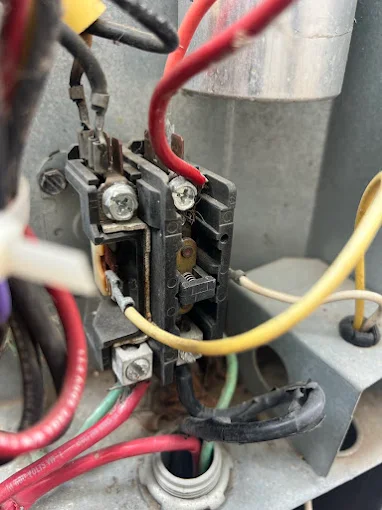
If your furnace has not been serviced in a while, do not overthink it. Schedule a proper visit. Replace or check the filter. Pay attention to how the system sounds and runs. Ask questions. Keep records. If the technician finds nothing major, great. That is not wasted money. That is peace of mind backed by a furnace that has been inspected before it is asked to carry the house through another winter.
And if they do find something, better to learn about it while the furnace is still running than when everyone is standing in the hallway wearing coats, staring at the thermostat, and hoping the heat comes back on by itself.
Corrections
Spot something wrong? Send it to the desk and it gets fixed in the open.